What Is Walima in Islam? Meaning, Rules & Importance
Learn walima meaning, its place in Islam, timing, hosting and guest etiquette, with practical ideas for a warm wedding feast within your means.
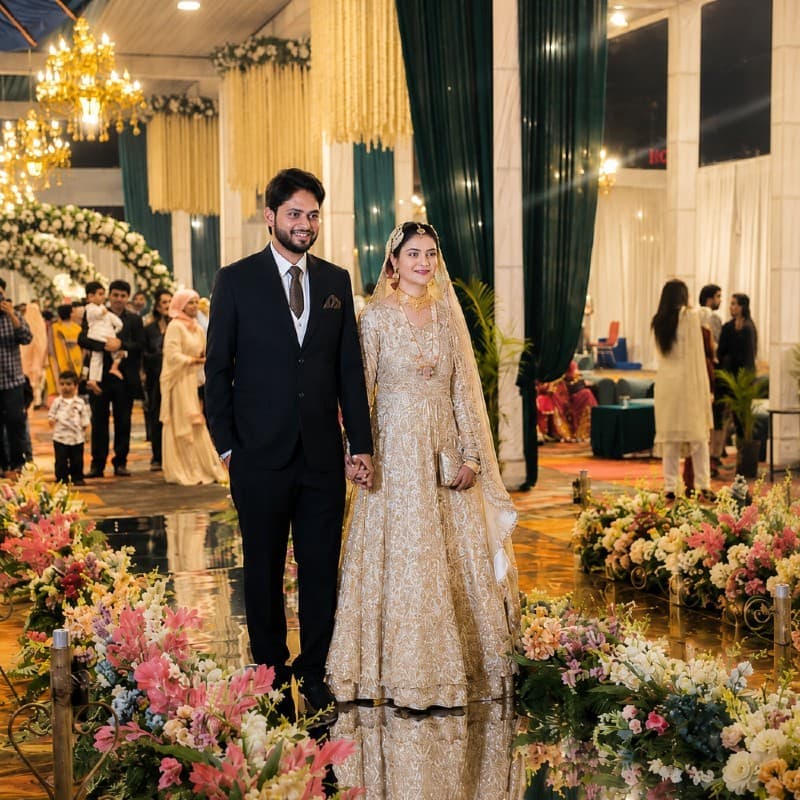
Walima means the wedding feast associated with celebrating a marriage. In Muslim wedding practice, it is a way of sharing happiness, feeding guests and acknowledging the beginning of married life.
That simple meaning can become difficult to see once planning begins. A modest meal turns into a larger venue. A manageable guest list grows with every family conversation. Before long, the couple are discussing chair covers more than the home they will share.
Understanding the walima meaning brings the occasion back to its purpose. Hospitality can be generous without becoming a competition. This guide explains walima in Islam, the difference between the feast and nikah, and practical ways to plan a celebration with care.
What is the purpose of walima in Islam?
Walima is rooted in the Prophet Muhammad's ﷺ example and instruction. In Sahih al-Bukhari 5167, he tells Abd al-Rahman ibn Awf to hold a wedding banquet, even with one sheep.
The narration gives the feast a place in marriage practice. It does not prescribe a modern package of venue, décor, guest numbers and multiple courses.
A walima can bring relatives and friends together, make the marriage known and express gratitude through feeding people. Its warmth may come from simple things: guests being welcomed properly, an elderly relative having a comfortable seat, and the couple having time to greet the people who came for them.
Nikah and walima: what is the difference?
| Nikah | Walima |
|---|---|
| The Islamic marriage contract | The feast associated with celebrating the marriage |
| Establishes marriage when applicable conditions are fulfilled | Shares the happiness of the marriage through hospitality |
| Involves consent, offer and acceptance, and other required arrangements | Involves hosting and feeding guests |
| Needs careful attention to its legal and religious requirements | Should be planned in keeping with religious guidance and the hosts' means |
A beautiful walima cannot replace a valid nikah. Likewise, the absence of a large reception does not make a marriage less dignified. Read our nikah meaning and requirements guide for the contract itself.
Is walima compulsory or Sunnah?
The majority of scholars regard holding a walima as recommended Sunnah, while some regard it as obligatory. These differences should be acknowledged rather than presenting one classification as universal.
Scholars also discuss its timing differently. The discussion of walima timing and scholarly views outlines several positions. Ask a trusted scholar about the practice you follow if you need a ruling for your circumstances.
For planning purposes, the important point is that taking the walima seriously does not mean accepting every expensive custom attached to it. A religiously meaningful feast and an elaborate social event are not necessarily the same thing.
When should the walima ceremony take place?
Walima is associated with the marriage, and many scholars favour holding it after consummation. Other views allow a broader period connected with the contract and the couple coming together. There is not one universally agreed modern schedule that every family must follow.
Confirm the timing with your officiant or scholar before finalising arrangements. Practical considerations such as travel and venue availability can then be discussed with that guidance in mind.
Keep the couple's private life private. Guests do not need intimate explanations of a reception date, and family curiosity is not a reason to put the newlyweds under pressure.
Who hosts and pays for the walima?
The traditional responsibility is associated with the groom, reflected in the instruction to Abd al-Rahman ibn Awf to hold the banquet. That does not turn a community's preferred scale into a religiously fixed bill.
Before making bookings, discuss who is offering to pay and what that offer covers. If relatives voluntarily contribute, clarify whether they are also expecting control over the guest list or arrangements. An unspoken condition can create more tension than a smaller budget would have.
Keep mahr separate from the reception budget. Mahr is the bride's entitlement; it should not disappear into catering costs through an assumption nobody discussed.
Walima rules and etiquette: the principles to keep in view
Invite with generosity, not social calculation
Sahih al-Bukhari 5177 criticises wedding banquets that invite the wealthy while excluding the poor. The reminder challenges a guest list built only around status or the gifts someone may bring.
For a small event, inclusion does not mean you must invite everyone you know. It means thinking honestly about why people are being included or left out. A neighbour with little money should not matter less than a well-connected acquaintance.
Keep hospitality within your means
The Qur'an warns against extravagance in eating and drinking in Surah Al-A'raf 7:31. A useful planning principle is to choose a scale that allows you to welcome guests without creating avoidable financial strain.
A short menu served well can be more hospitable than an impressive spread that arrives late or produces large amounts of waste. Give drinking water, seating, accessibility and considerate service the attention they deserve.
Respect religious boundaries and guests' privacy
Plan halal food and arrangements consistent with the religious guidance you follow. Where questions arise about entertainment or seating, resolve them before the day with informed advice and calm discussion.
Ask before photographing or posting guests, particularly where someone observes privacy around their image. Tell the photographer about those preferences in advance so people do not have to defend them repeatedly during the event.
Make the day manageable for the couple
A celebration can be joyful and still be exhausting. Leave time to eat, pray and rest. Let a trusted relative deal with routine questions so the couple are not negotiating deliveries while greeting guests.
Good hosting includes care for the people whose marriage is being celebrated.
How to plan a simple, meaningful walima
Start with a budget you can afford, then work through the essentials in order.
- Confirm the timing. Discuss the religious and practical arrangements before paying a deposit.
- Set the guest count. Make a realistic list before choosing a venue.
- Choose a manageable menu. Prioritise food quality, dietary needs and reliable service.
- Plan for comfort. Consider older guests, children, accessibility, prayer arrangements and travel.
- Agree on photographs. Respect the couple's and guests' privacy choices.
- Reduce waste. Confirm attendance and discuss safe handling of surplus food with the caterer.
- Delegate the day. Give one or two trusted people responsibility for logistics.
Imagine a lunch for close relatives, neighbours and friends, with a small menu and no stage programme. Guests are welcomed, everyone eats comfortably, and the couple can actually speak to people.
A larger event can also be thoughtful. The useful question is whether each expense improves hospitality or simply answers pressure to impress.
What if your families want different kinds of celebration?
One family may see a large reception as affection; the other may see it as a burden. Begin by explaining what you can manage rather than criticising what the other family enjoys.
Try: “We want everyone to feel welcome, and this is the budget we can comfortably commit to. Which guests are most important to include?” That makes the discussion concrete.
For couples preparing to marry, this is also an early opportunity to practise shared decisions. Discuss the choice together before announcing different promises to each side. Our premarital questions guide includes broader subjects worth addressing before the wedding.
Frequently asked questions
What is walima meaning in English?
In the marriage context, walima means a wedding feast or marriage banquet. “Wedding reception” is a familiar approximation, though modern receptions may include many customs beyond the meal.
Can a walima be small?
Yes. A small gathering can express hospitality and celebrate the marriage. No universal minimum guest count or fixed spending amount defines a meaningful feast.
Must walima food include meat?
Meat is not a universal requirement. Dar Al-Ifta's guidance on feasts explains that a feast can consist of different kinds of food, with or without meat. Choose suitable halal food within your means.
Is attending a walima the same ruling as hosting one?
No. Scholars discuss accepting an invitation separately, with conditions and possible excuses. Do not infer the ruling for a guest directly from the ruling for the host; ask for guidance if you face a particular difficulty.
Does postponing the reception mean the couple are not married?
The marriage is established by a valid nikah, not by the reception booking. For a specific question about the timing of walima, consult the scholar or officiant advising you.
A well-planned walima lets people share the happiness of a new marriage. Keep that purpose visible, and it becomes easier to decide what the day really needs.